Live-Capture World Building
Real-time capture of light, sound, and movement in the field, assembled into navigable environments.
Virtual Field Lab — a residency for immersive media artists in the Swannanoa Valley.
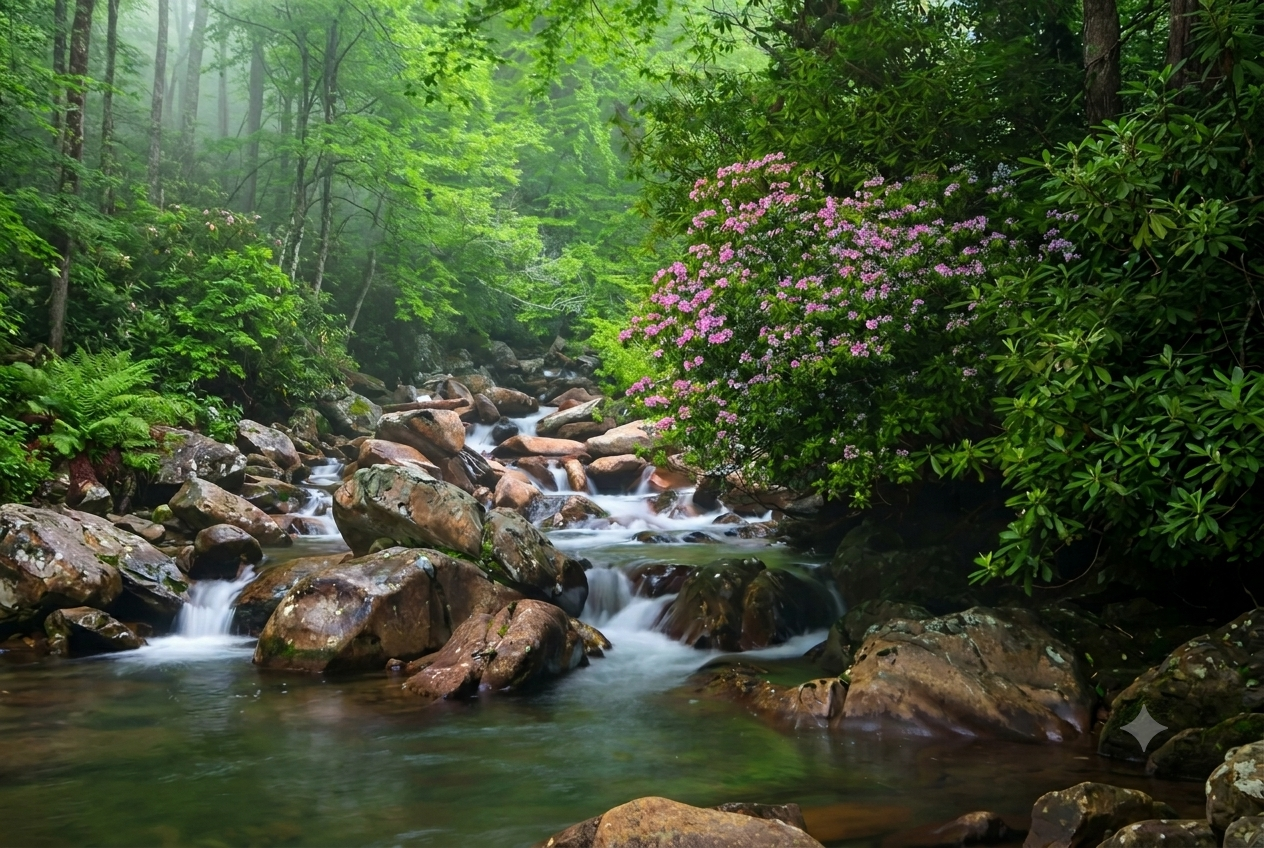
Mountainchase Studio sits in the post-Helene Swannanoa Valley of Western North Carolina, ten miles from the original campus of Black Mountain College. The valley holds centuries of land use — Cherokee stewardship, timber, agriculture, rail — and now the slow work of recovery after Hurricane Helene reshaped its watersheds, roads, and daily life. Virtual Field Lab is a residency for artists working in immersive media who treat this place as a field site: not backdrop, but collaborator.
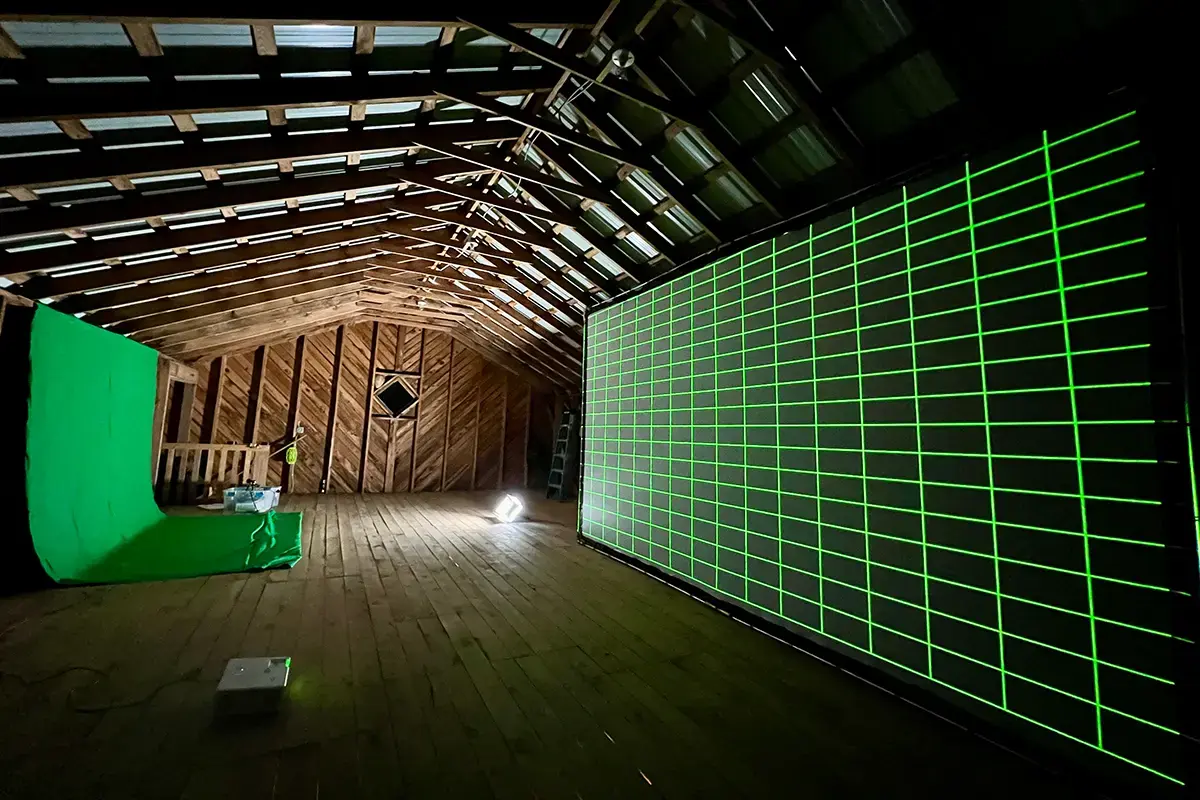
The Lab organizes practice around four pipelines and a set of recurring field exercises. Residents move between studio and site, building worlds from what the valley offers.
Real-time capture of light, sound, and movement in the field, assembled into navigable environments.
Narratives that cross physical installation and virtual space — objects in the valley triggering scenes elsewhere.
Performance and somatic practice as input: gesture, breath, and presence translated into immersive form.
Extended reality as field notation — augmented, virtual, and mixed modalities for documenting and reimagining place.
Field exercises return each season. Residents document, respond, and build from direct observation.
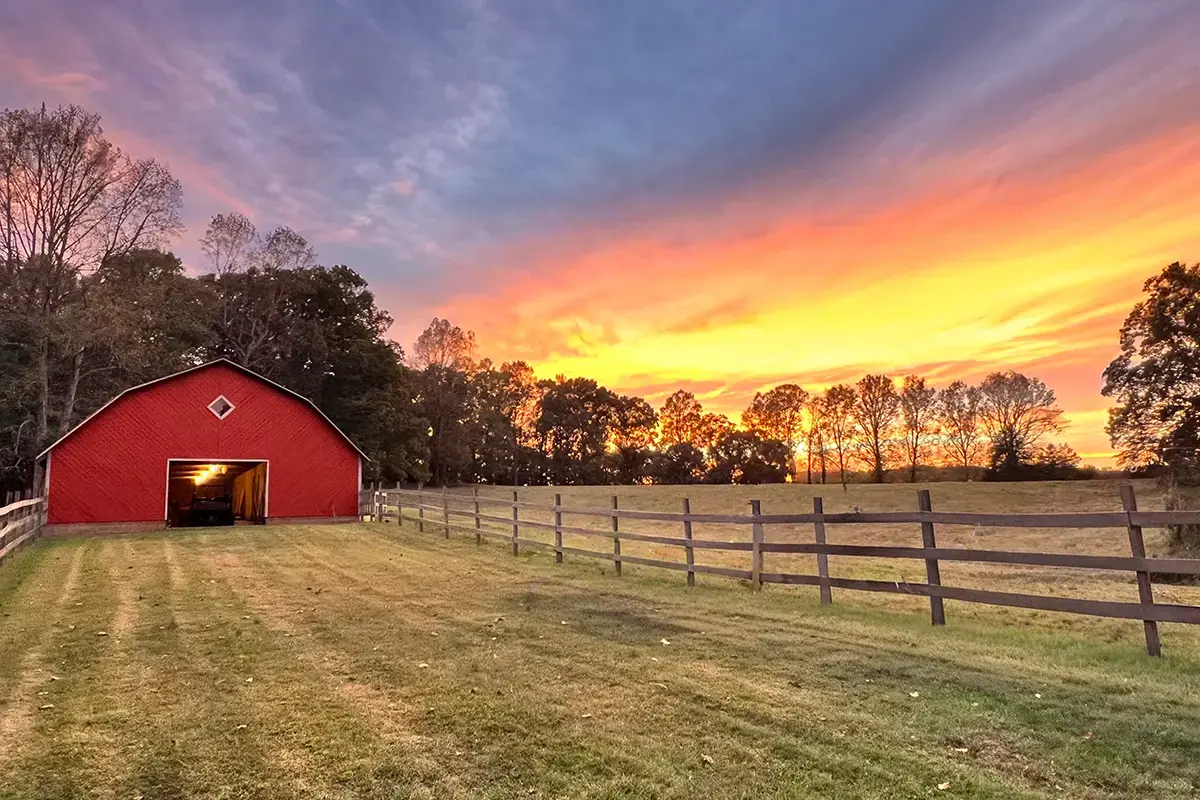
Lake Eden Retreat lies at the center of this valley's modern art history. Black Mountain College gathered poets, painters, composers, and dancers who treated education as experiment — interdisciplinary, site-responsive, skeptical of the market. The college closed in 1957; the land remains.
Mountainchase Studio draws a through-line from that experiment to immersive media as the new field. Not nostalgia, but continuity: artists working at the edge of form, in conversation with place and with each other. The tools have changed. The question — what can art do here? — has not.
The inaugural cohort brings together resident collaborators and a framework of ten local voices. Names below are placeholders for the public site.
Each residency cycle engages ten practitioners rooted in the valley and its histories.
Additional voice categories to be named with community partners.
For residency inquiries and correspondence: